
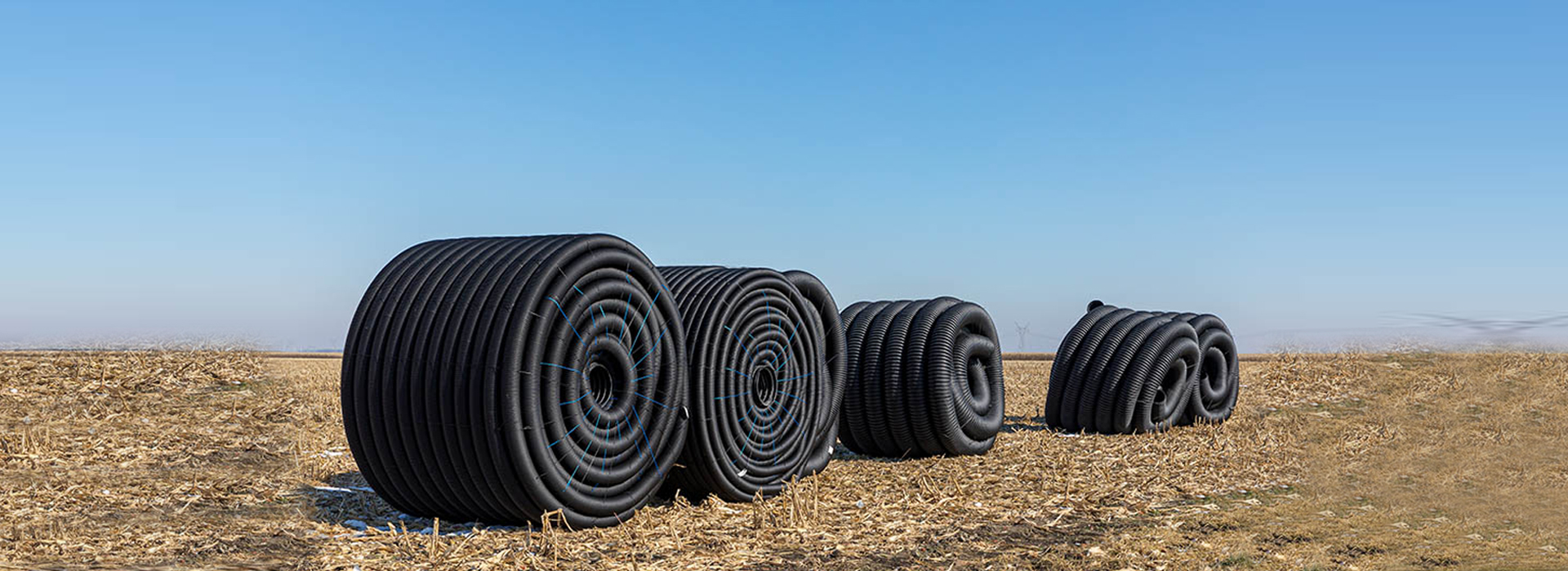
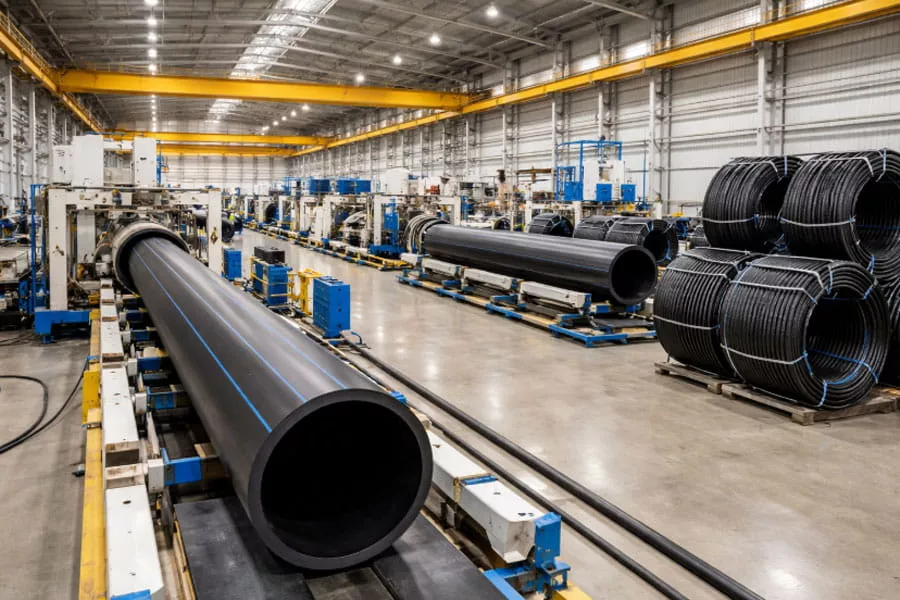
Starting an HDPE pipe manufacturing plant in Canada feels exciting and serious at the same time. The market shows high demand, however, planning needs care. Canada relies on reliable piping solutions for water supply, natural gas, and gas distribution. Because of this, the HDPE pipe industry keeps growing steadily.
High density plastic pipes replace metal pipes in many projects. Builders prefer them for chemical resistance, flexibility, and cost effectiveness. Cities also like trenchless installation methods since roads stay open. Therefore, entrepreneurs see value in HDPE pipe production.
All Pipe Solutions Inc. understands this market well. The company focuses on dependable thermoplastic piping that lasts long term. Their approach blends practical planning with strong quality control. That balance matters when setting up a plant that runs smoothly and earns trust.
Before machines arrive, the market must make sense. Canadian infrastructure projects need strong pipes for cold weather. That includes pipelines for water supply and natural gas. As a result, high density polyethylene HDPE pipe remains a popular choice.
Every plant starts with raw materials. HDPE resin pellets form the backbone of the process. These pellets must meet strict standards. Otherwise, pipe performance will drop over time. Many producers source locally to control production cost and avoid delays.
Material planning also includes storage. Dry and clean storage protects resin quality. Good material handling reduces waste and keeps output consistent. When planning carefully, HDPE pipe production stays predictable even during busy seasons.
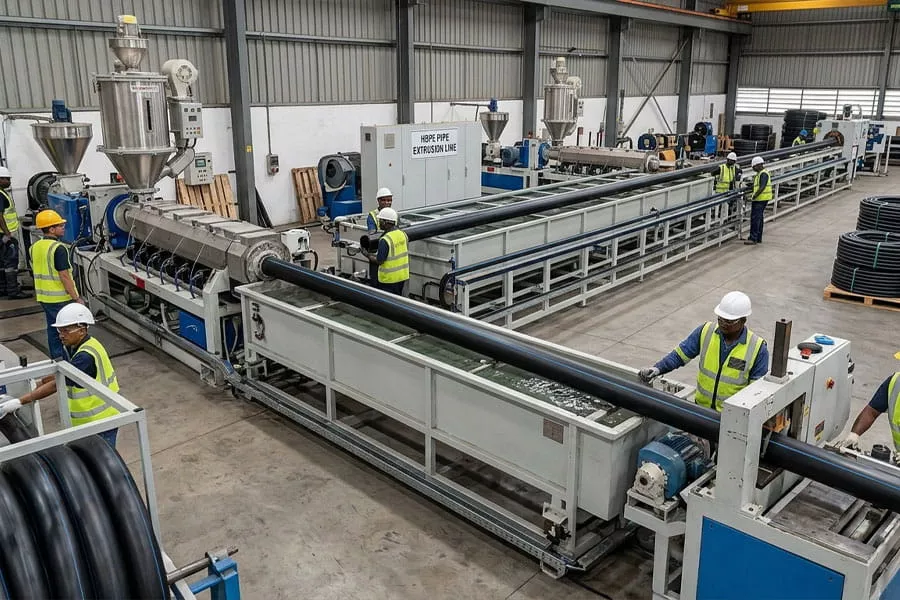
The heart of the operation is the extrusion line. This line shapes resin into strong pipes. The HDPE pipe manufacturing process stays simple by design. Heat, pressure, and cooling work together in sequence.
Key equipment usually includes:
Each machine supports HDPE pipe manufacturing plant efficiency. Smaller plants may start with one line. Later, expansion becomes easier. That phased approach helps manage production cost.
Automation also plays a role. Simple controls reduce mistakes. Operators learn faster, which supports strong quality control. Over time, this setup lowers downtime and builds consistency.
Canada takes safety and quality seriously. Therefore, compliance must guide every decision. Pipes used for water supply and gas distribution need certification. These rules protect public safety and build confidence.
Standards often cover pressure ratings, wall thickness, and material quality. Environmental rules also apply. Waste management and energy use matter. Clean operations align with modern expectations.
Documentation supports compliance. Clear records show testing results and batch tracking. That transparency strengthens quality control. Companies like All Pipe Solutions Inc. value this discipline because it supports long-term credibility.
Local inspectors may visit during setup. Planning early avoids delays. Therefore, compliance planning should start before equipment installation.
Costs shape every plant decision. Equipment, labor, utilities, and raw materials add up quickly. Still, careful planning keeps margins healthy.
Energy efficiency reduces monthly expenses. Modern extruders use less power. Proper insulation helps during cold months. As a result, production cost stays manageable.
Staff training also matters. Skilled operators waste less material. They notice problems early. This attention supports consistent HDPE pipe production.
Operational efficiency also depends on workflow. Clear layouts reduce movement. Smart material handling saves time and effort. Over time, these small details improve overall cost effectiveness.
HDPE pipes serve many industries. Municipal systems rely on them for clean water supply. Energy companies use them for natural gas pipelines. Farms use them for irrigation.
Construction teams prefer thermoplastic piping because it bends easily. That flexibility supports trenchless installation methods. Fewer disruptions mean faster projects.
Chemical plants value chemical resistance. HDPE pipes are efficient enough to handle harsh materials safely. Therefore, these pipes last longer than many metal pipes.
These applications create high demand across Canada. Each project reinforces the strength of the HDPE pipe industry. Producers who maintain quality control earn repeat business.
A plant does more than produce pipes. It builds reputation. Buyers remember consistency. They also remember delays.
Clear testing procedures support trust. Pipes that meet specs perform better long-term. That reliability defines strong piping solutions.
Customer feedback also guides improvement. Small adjustments often lead to better outcomes. This mindset keeps operations aligned with real world needs.
All Pipe Solutions Inc reflects this approach. The company focuses on durability and compliance. That focus supports steady growth in a competitive market.
Setting up an HDPE pipe plant in Canada requires clear thinking. Equipment, compliance, and costs all connect. When planned carefully, the operation stays efficient and trusted.
All Pipe Solutions Inc. serves as a demonstration of effective planning and implementation. The company demonstrates successful operations through their dedication to quality control and operational efficiency and their ability to manage costs.
For those ready to enter the HDPE pipe industry, preparation makes the difference. With the right setup, the plant supports infrastructure today and strength for the future.
Request a Quote (519) 871-0751