
Canada needs strong and reliable piping systems. Cities grow each year. Farms expand. New homes rise across the country. All these projects need pipes with decades of life.
That is why high-density polyethylene HDPE pipe has become a common choice. The pipes remain strong while maintaining a lightweight design which permits easy movement from one point to another. They also work well for water supply, drainage, and even natural gas lines.
Still, building a manufacturing plant is not simple. Many things must come together. Equipment, people, testing, and planning all matter.
All Pipe Solutions Inc. is one of the few companies that help guide new plants from idea to operation. The help covers everything from planning layout and selecting machines to setting up reliable production systems.
Below are the key things needed when building a modern HDPE pipe plant in Canada.
The first step begins with a simple key question. Who will use the pipes?
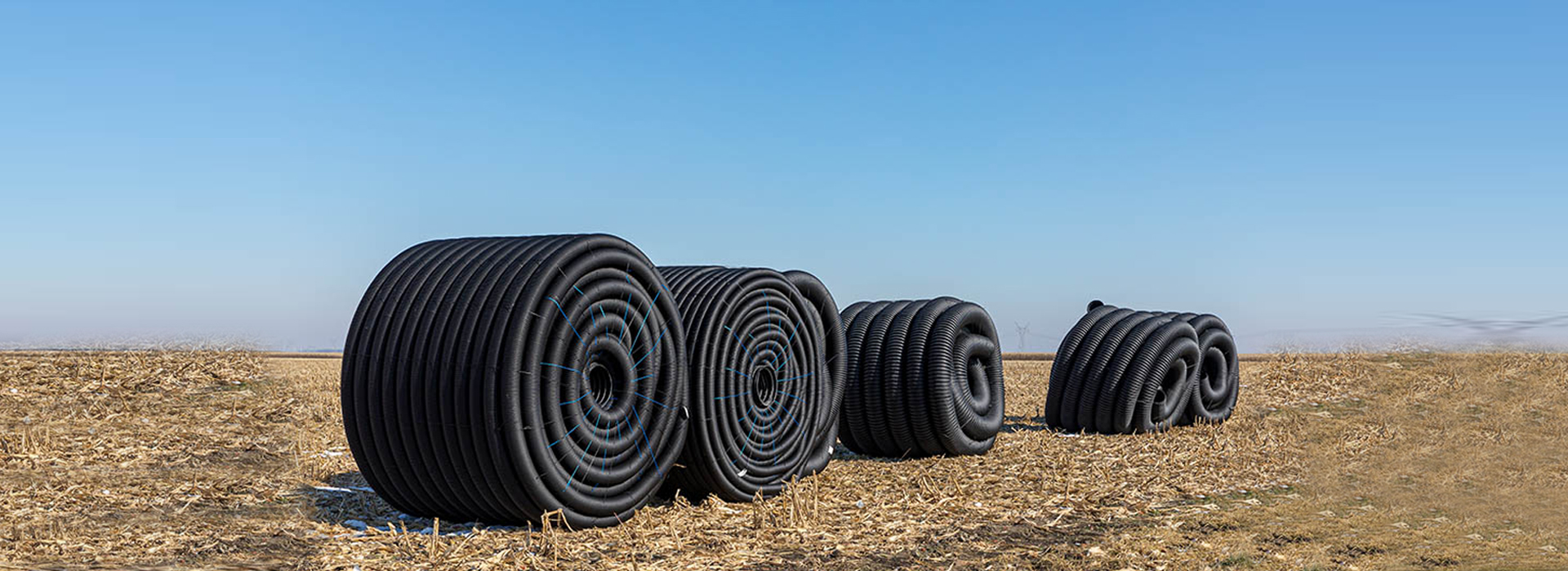
Cities use HDPE pipes for water supply and storm drainage. Farms rely on them for irrigation. Energy companies use them for natural gas distribution. Each use needs different pipe sizes and strength levels.
Because of this variety, plants must produce several types of piping materials. A flexible setup allows companies to meet changing demand.
HDPE pipes are in high demand because they are resistant to corrosion. Metal pipes rust over time. Pipes made of concrete can crack. HDPE pipes stay strong even in wet soil. Many engineers also expect a 50-year service life or longer.
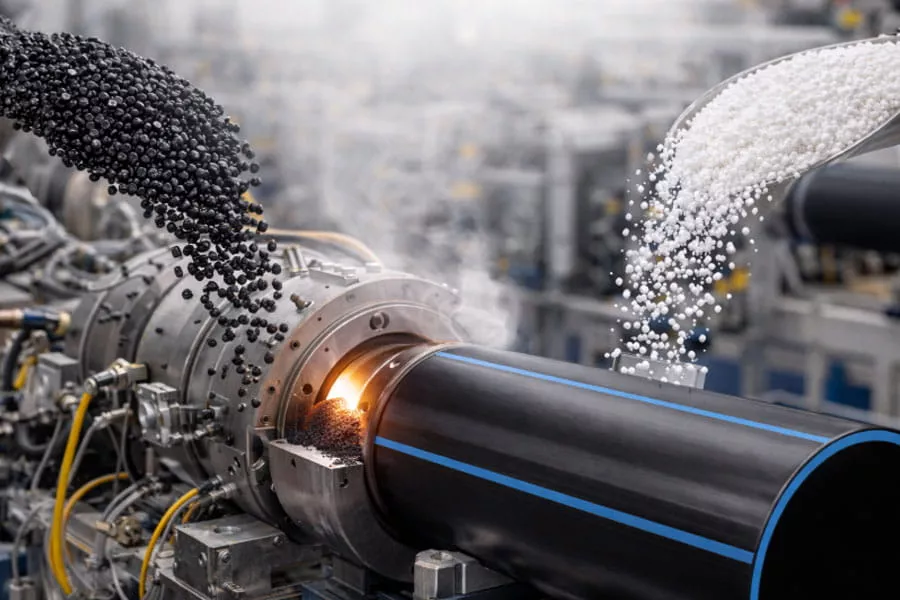
Every pipe begins with good plastic. Without quality plastic, the pipe will fail early.
Manufacturers must select the right raw material for production. High grade polyethylene resin ensures strength and flexibility. It also ensures pipes remain unaffected from soil and chemicals.
If poor material enters during the manufacturing process, the pipe may weaken under pressure. That is why careful material testing is important.
Good suppliers always provide good-quality resin. This consistency helps ensure that uniform pipes are manufactured every time. Plants that focus on high-quality material usually produce more reliable pipes.
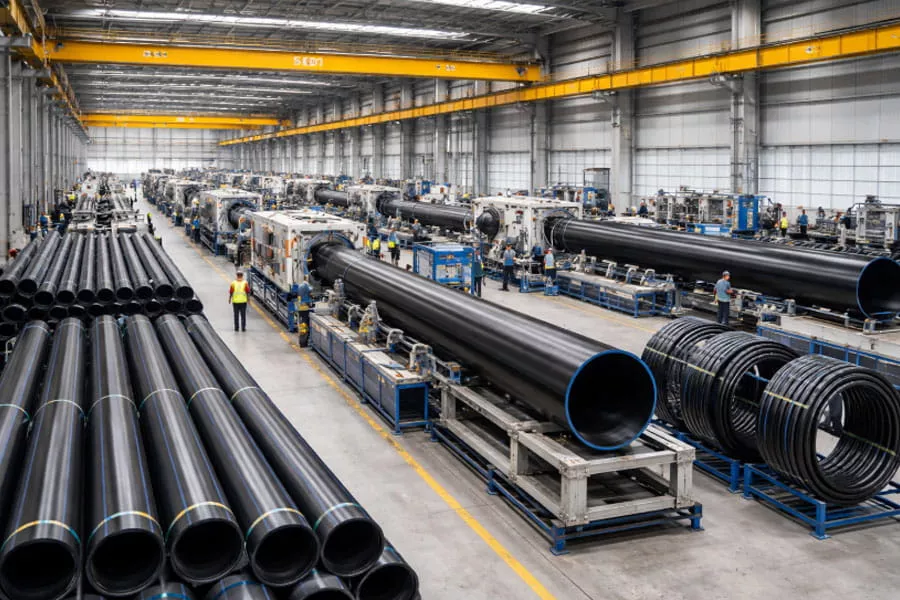
A manufacturing plant needs specialized machines. These machines shape the plastic and turn it into pipes. Some major production equipment are:
Experienced consultants often guide this process. All Pipe Solutions Inc. helps companies choose equipment that matches their capacity goals. Manufacturers also get assistance with installation and mechanical setup.
Pipes must connect properly once they reach job sites. Because of this, plants must consider installation methods during production.
One of the most trusted techniques is butt fusion. This method heats pipe ends and presses them together. Once cooled, the joint becomes as strong as the pipe itself.
Another method used is socket fusion for smaller pipes. Both methods help prevent leaks in underground systems.
Factories often test their pipes with these joining methods. This ensures the pipes perform well in real projects.
Standards matter greatly in pipe production. Without proper certification, pipes cannot enter many markets. Many manufacturers follow ASTM standards and Canadian safety rules. These standards define pipe strength, wall thickness, and testing procedures.
Testing equipment checks pressure strength and material performance. Pipes should be able to handle years of underground stress. This is where quality assurance becomes essential. Each production batch must be inspected carefully.
The physical layout of a manufacturing plant affects efficiency. A poorly designed facility slows production. On the other hand, a good plant layout supports smooth material movement. Resin enters at one end. Finished pipes leave at the other.
This stage is often guided by consultants. They help plan extrusion lines, cooling tanks, and storage areas. Many factories also design spaces for testing labs and maintenance rooms.
Important layout elements include:
When everything flows well, production becomes faster and safer.
The goal of every plant is simple: produce pipes that last many years.
HDPE pipes work well because they can handle stress and movement. They bend slightly instead of cracking. That flexibility helps these pipes survive ground movement.
Another benefit is their chemical resistance. Many soils contain salts or acids that damage metal pipes. HDPE handles these conditions much better.
Because of these properties, engineers expect reliable long-term performance from HDPE pipes. For large infrastructure projects, that reliability makes HDPE pipes a cost-effective choice.
Starting an HDPE pipe plant is a large project. Planning, machinery, and compliance all require careful attention. This is where experienced partners make a difference.
All Pipe Solutions Inc. works with manufacturers across Canada and North America. Our team helps companies design facilities, select machinery, and implement strong quality assurance systems. Businesses also get guidance regarding equipment installation and plant infrastructure planning.
Request a Quote (519) 871-0751