
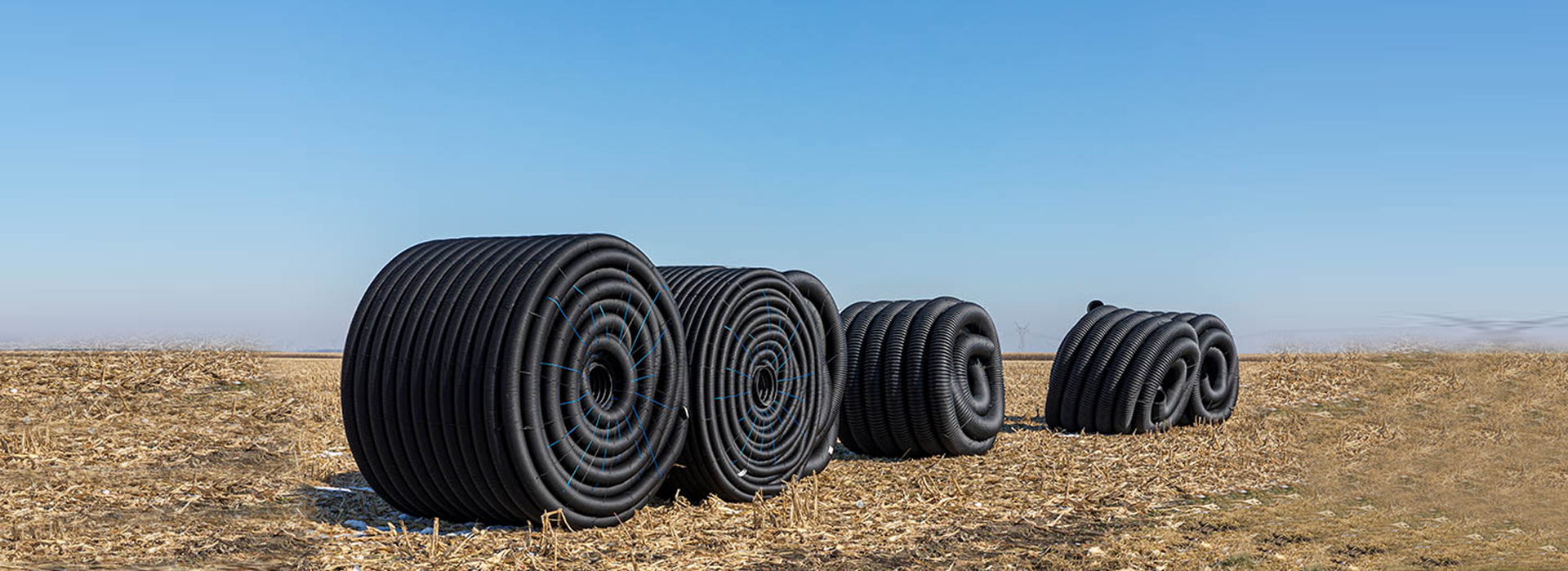

High-density polyethylene (HDPE) pipes play a key role in modern infrastructure. They are applied in industries as a source of water, gas, sewage, and industrial pipes. Due to its longevity and adaptability, the demand for HDPE pipes is still on the increase in the United States.
However, the process of investing in HDPE pipe machinery is to be carefully planned. Before making a decision, manufacturers need to be aware of the types of machinery, the cost requirements to install the plant, the cost of operation, and the standards of compliance. An effective approach to it guarantees enhanced efficiency in production and profitability in the long term.
The following are the most significant factors that should be taken into account by manufacturers before investing in HDPE pipe machinery in the USA.
The American infrastructure industry is still growing. Cities replace water pipelines, utilities, and gas systems are modernized, and industries switch to new metal pipes. Consequently, the HDPE pipes have grown to be the solution of choice.
Due to these advantages, the HDPE pipe production market has great prospects for manufacturers. But the important thing to be successful is the selection of the appropriate machinery and arrangement.

The manufacturing of HDPE pipes requires several special machines that cooperate to produce stable, high-quality pipes.
The heart of the production line is the extruder. It heats HDPE raw material and uses it through a die to mould the pipe.
Current extruders are also less energy-consuming and more productive.
The molten plastic is forced through the die to form a pipe. Pipes of different diameters are obtained as a result of various mould sizes.
The pipe is extruded to a vacuum calibration tank. This system cools and solidifies the shape of the pipes.
The haul-off unit draws the pipe through the line of production at a constant speed. Constant pulling rate prevents deformation and provides proper quality pipes.
Lastly, the cutting system cuts off pipes into the required lengths. Most plants in the modern world use automatic cutters to enhance precision and speed.

Buying machinery is a big investment. Before establishing an HDPE pipe plant, there are several factors that the manufacturers should consider.
The initial step is to specify the desired output. Small manufacturers can begin with lower capacity lines, and large-scale manufacturers have to use high-speed machinery.
Normal lines of HDPE pipes manufacture pipes with ranges of:
The right capacity will avoid unnecessary costs and will enhance the return on investment.
A lot of manufacturers get HDPE pipe machinery imported from global manufacturers. Nevertheless, it is necessary to select quality equipment to achieve success in the long term.
Cooperation with seasoned consultants would assist manufacturers in assessing the equipment alternatives and bargaining with vendors.
All Pipe Solutions Inc can be significant in this case. The company assists manufacturers in procuring quality machinery from reliable international sources, while providing a smooth integration of the plant and operational preparedness.
The manufacturing plant of HDPE pipes will need the right infrastructure to be effective. Among the factors that should be taken into consideration are:
An effective plant layout minimizes working delays and enhances an efficient working flow.
Even machines of high quality cannot work without proper installation. Having professional mechanical installation will help the production line run smoothly at the beginning.
When commissions are done properly, downtime is reduced, and a good consistency of pipe quality is achieved.
The maintenance of machinery contributes significantly to long-term productivity. Routine check-ups and preventive maintenance are used to prevent expensive failures.
Rapid troubleshooting minimizes downtimes in production and safeguards revenue.
In modern manufacturing, sustainability is now a concern. During the startup as well as the trimming processes, HDPE production produces scrap material.
Rather than throwing away garbage, most manufacturers will use plastic scraps to re-manufacture raw material that can be reused.
The reuse of production waste has become possible through the advanced recycling systems, which enable plants to reuse the waste.
In the United States, the manufacturers of pipes are required to address strict standards in the industry. HDPE pipes are required to meet a range of performance and safety requirements.
Industrialists are expected to comply with these standards in their machinery and processes before they can get into the market.
The establishment of an HDPE pipe manufacturing plant does not just require machines. It needs strategic planning, coordination of suppliers, design of infrastructure, and constant technical support.
Companies like All Pipe Solutions Inc are experts that assist manufacturers in this challenging procedure.
All Pipe Solutions Inc can assist manufacturers in rolling out efficient production plants, owing to the end-to-end solutions, and minimizing operational risks.
Request a Quote (519) 871-0751