
During heavy rains, have you ever thought, “What makes water move down the storm drains quickly?” Well, it is because a whole double-wall corrugated pipe system works underground to prevent roads from becoming swimming pools. Surprisingly, this unsung hero keeps our communities dry and functional.
In Ontario, you might have witnessed how this technology has transformed infrastructure projects. With time, double-wall corrugated pipes evolved from specialty applications to mainstream solutions. Let’s see what makes these systems so remarkable.
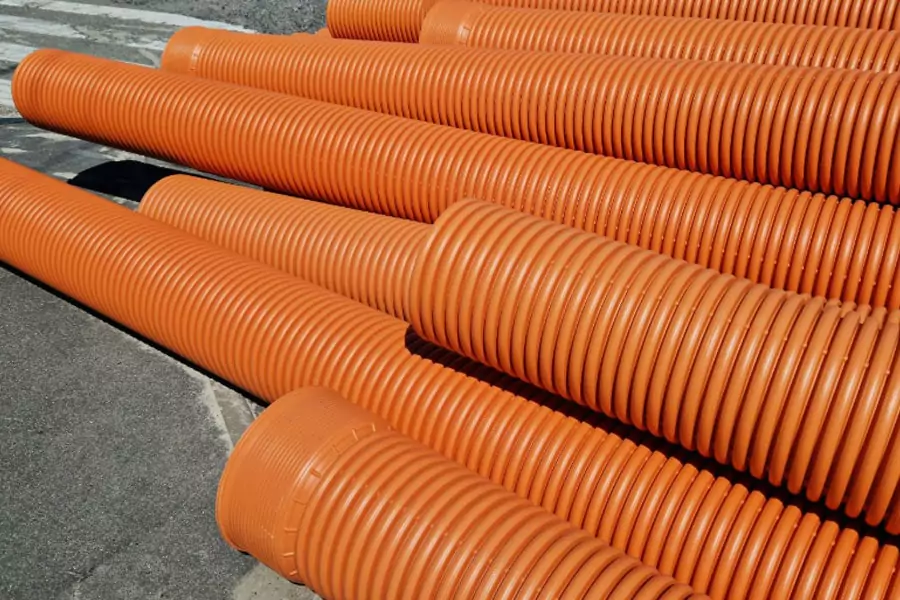
Walking through pipe manufacturing plants, you can quickly learn what sets double-wall corrugated pipe apart. The outer corrugated wall acts like a structural backbone. Meanwhile, the inner smooth wall keeps water flowing efficiently.
This clever design creates incredible strength-to-weight ratios. The corrugated structure distributes loads across the pipe wall. The result? Outstanding performance under heavy soil loads and traffic.
The challenges of snowmelt and rainfall are the same each spring for Canadian municipalities. The corrugated pipe construction has been developed as a system that can easily cope with such amounts of water. The smooth inner part helps in avoiding the accumulation of rubbish that haunts coarse pipes.
Storm sewer systems require the same performance of pipes from year to year. Freeze-thaw cycles that destroy rigid material hardly have any impact on the double-wall corrugated pipe since the flexible HDPE build can stretch and contract without cracking.
City engineers like the flow characteristics that are predictable with these pipes. When you are certain about the way water is going to act, then computer modeling is right. In addition to this, maintenance personnel appreciate the ability of smooth-walled systems to clean themselves.
Drive any major highway, and you’ll cross dozens of culverts made from double-wall corrugated pipe. Transportation departments choose this material for good reasons – installation happens quickly, and performance lasts decades.
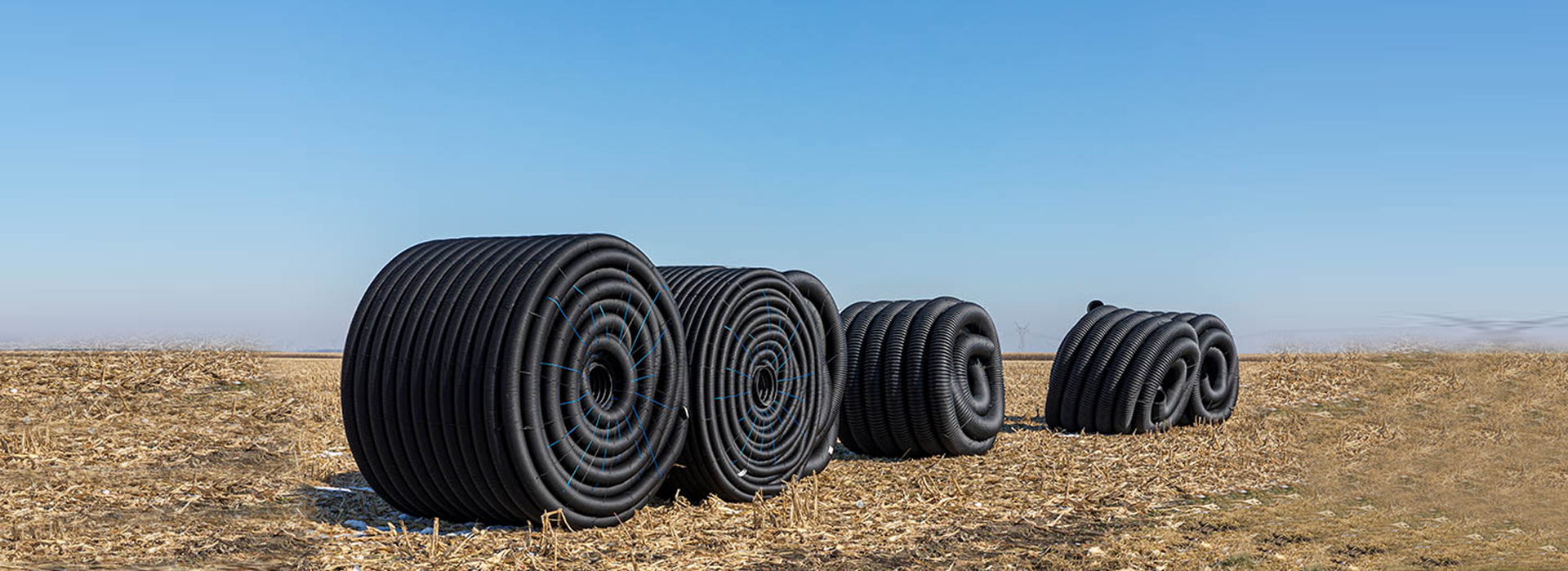
Farming operations have used drain tile for over a century. However, modern agricultural drainage demands have evolved significantly. Double-wall corrugated pipe meets these challenges with improved durability and performance.

Environmental considerations increasingly influence infrastructure material choices. Double-wall corrugated pipe offers compelling sustainability advantages over traditional alternatives.
Manufacturing HDPE pipes requires significantly less energy than producing concrete or metal alternatives. The lightweight design reduces transportation fuel consumption. Fewer delivery trucks mean lower carbon emissions per linear foot installed.
HDPE is completely recyclable at the end of its service life. Old pipes can become new products, creating a circular economy. This recyclability appeals to environmentally conscious municipalities and developers.
Installation practices for double-wall corrugated pipe minimize site disturbance. The flexible material often eliminates specialized bedding requirements. Projects proceed with less excavation and reduced environmental impact.
Proper installation methods help to increase the performance capability of the double-walled corrugated pipe systems. Their elastic character needs specific bedding and backfill operations to achieve the best outcomes.
In applications that involve pressure or where infiltration by groundwater needs to be avoided, joint sealing is essential. Elastomeric gaskets that are used nowadays are safe to offer a watertight connection when installed correctly.
Slope requirements vary depending on the specific application. Storm drainage typically needs minimum grades for self-cleaning velocities. However, the smooth interior allows effective drainage at lower slopes than rougher materials require.
Inspection procedures are simple with double-wall corrugated pipe systems. The smooth interior facilitates visual inspection and cleaning when necessary. Additionally, the durable construction typically provides decades of trouble-free operation.
The double-wall corrugated pipe industry continues innovating with new materials and manufacturing techniques. Advanced HDPE formulations offer improved properties for specialized applications.
Larger diameter capabilities expand the range of suitable projects. Pipes over 60 inches in diameter are becoming more common as manufacturing technology advances. This trend opens new markets in major infrastructure projects.
Smart infrastructure integration represents an exciting development opportunity. Embedded sensors can monitor flow conditions and detect potential problems before they become critical. This technology helps optimize system performance and maintenance scheduling.
Whether you’re planning infrastructure improvements or exploring pipe manufacturing opportunities, All Pipe Solutions brings unmatched expertise to your project. We don’t just manufacture HDPE pipes – we build lasting relationships that grow alongside your business.
Ready to discover how double-wall corrugated pipe technology can transform your next project? Contact All Pipe Solutions today. Let’s work together to build a solid partnership.
Request a Quote (519) 871-0751