
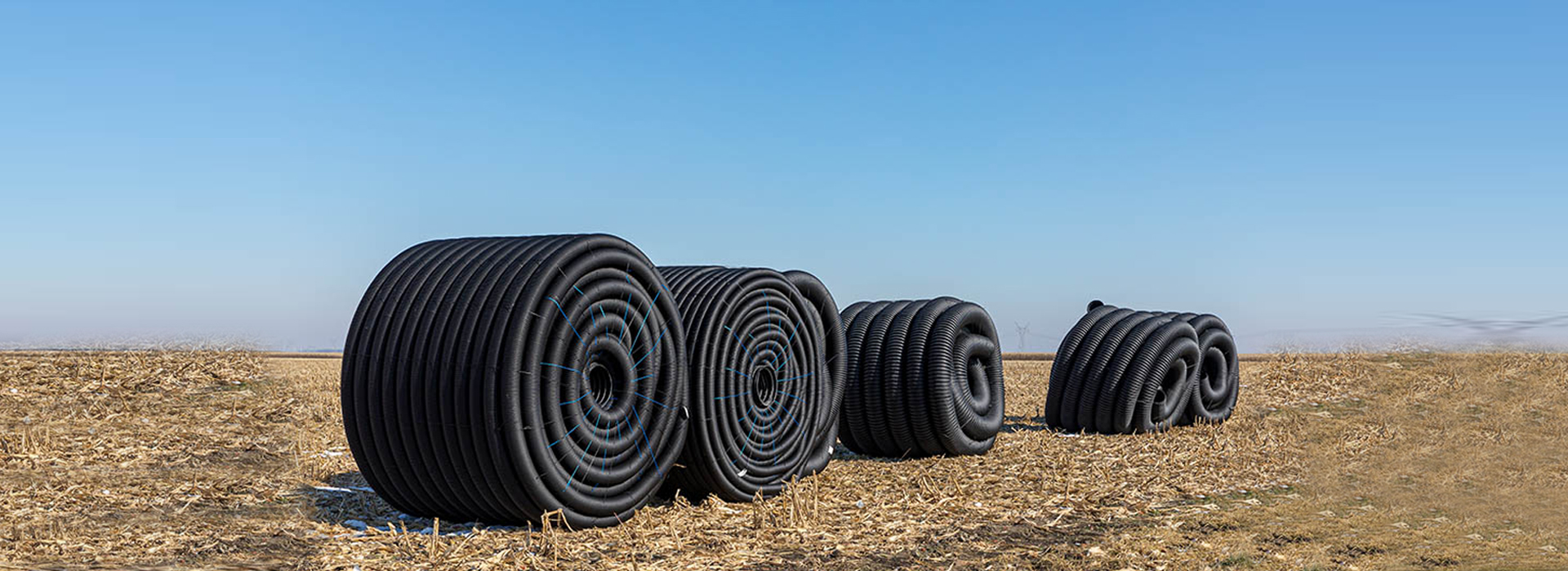
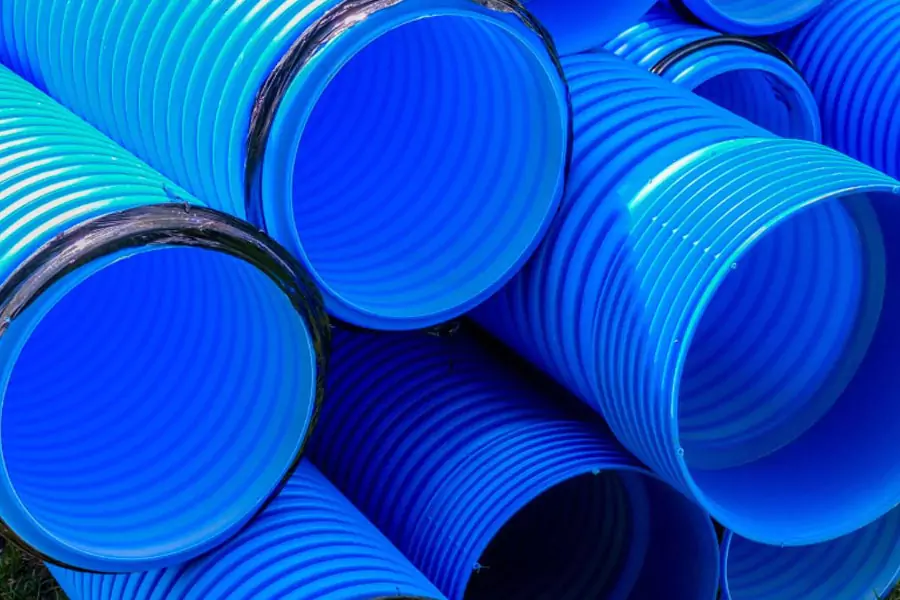
Imagine picking up a pipe in your backyard and feeling how light it is compared to a heavy, old concrete tube. That’s one of the first things that makes corrugated HDPE pipes so handy. They are increasingly being used in place of traditional concrete or steel pipes across civil, municipal, agricultural, and industrial applications.
The advantages are clear-cut, fueling a global shift in engineering standards. This blog explores seven key benefits — ranging from durability and installation ease to environmental sustainability — and provides fresh insights for engineers, contractors, and planners seeking resilient infrastructure solutions.
Corrugated HDPE (High-Density Polyethylene) pipes can take a beating. They don’t rust like steel or crumble like concrete after a bad storm. In fact, think of them as the old sneakers you just can’t throw out. They outlast just about everything you throw their way. Most people set them up and then forget about them because these pipes keep going for decades, often 50 years or more.
Ever tried to haul a chunk of concrete pipe across the yard? Not fun. HDPE pipes? A whole lot lighter. A single person can often carry a section. Compared to cement or steel pipes, loading up a pickup truck with these is nothing less than stacking pool noodles. There is no need for massive machines or heavy lifting; just good old-fashioned elbow grease (and maybe a friend).
Let’s face it: the world moves, the earth shifts, and things settle. Stiff pipes crack. Corrugated HDPE pipes? You can think of them as yoga masters. Bend them, squeeze them a bit, and they will bounce back. That’s a game-changer for roads, yards, and fields that are always playing musical chairs with soil and weather.
Imagine steel pipes in salty air – rust at every turn. Or concrete around chemicals – crumbling bit by bit. HDPE pipes? They shrug it off. Rain with a dash of acids? No problem. Foul sewage or farm runoff? Still no sweat. For places where trouble tends to trickle in, these pipes might just be the superheroes of the underground.
Most people do not recognize the secret. Being lighter and easier to handle means jobs get finished faster, with fewer complications. Think of digging a long trench for drainage. With HDPE, you need fewer workers and less time waiting for heavy equipment. And because these pipes last, there’s less worrying about patch-ups down the road. Over time, those small savings on time and labor add up like coins in a jar.

It’s not just about doing the job; it’s how you do it. Manufacturing HDPE pipes doesn’t need as much energy as required for making concrete or steel pipes. Moreover, when the job’s done and the pipes need replacing, you’ll find that they are recyclable. Ever tried recycling a chunk of concrete? Didn’t think so. HDPE pipes are easier on the planet from the get-go.
Inside, these pipes are slick. Kind of like those new slides at the park – water just whooshes straight through. These pipes can keep the rain or trash flowing even in difficult situations since dirt and muck do not stick as well as they do on rough concrete. If you have ever had to cope with a gutter that drains slowly, you understand how serious that is.
HDPE pipes are versatile. You can easily spot them:
| Corrugated HDPE | Concrete Pipe | Steel Pipe | |
|---|---|---|---|
| Durability | 100 years (with new technology) | Prone to cracks | Can rust, 20 yrs avg. |
| Weight | Super light | Heavy as boulders | Pretty heavy |
| Flexibility | Bends with surroundings | Stiff as a board | Somewhat flexible |
| Rust/Corrode? | Not at all | Can deteriorate | Needs lots of care |
| Install Cost | Lower, simpler | Pricey, hard to move | High–welding, coatings |
| Eco Factor | Lower impact | Lots of energy is used | Also, high energy |
| Water Flow | Fast, no clog | Can be sluggish | Depends – can collect rust |
Nobody likes to struggle with heavy pipes. Think about lining up a dozen concrete cylinders for a drainage ditch. Your back aches just imagining it, right? Corrugated HDPE pipes are a breath of fresh air; they are light enough for most people to lift without breaking a sweat. Construction crews often talk about how swapping concrete for HDPE makes the job easier and faster. Instead of a big machine or waiting for a crane, a couple of hands and a little teamwork get things moving quickly. And the best part is that it isn’t just about saving time at the worksite.
If you’ve ever carried a bucket of water down a rough path, you know the value of an easy, steady route. Corrugated HDPE pipes are a bit like paving that uncomfortable path. They are lighter in your hands, strong when you need them, and peaceful in how they slip into nature without a big fuss.
That’s why these pipes are showing up everywhere: dug beneath new roads, stretched across sodden fields, or winding their way through backyards. No drama, just pipes that work — and keep on working. Maybe it isn’t glamorous, but it sure feels good knowing the job is done right.
Request a Quote (519) 871-0751