
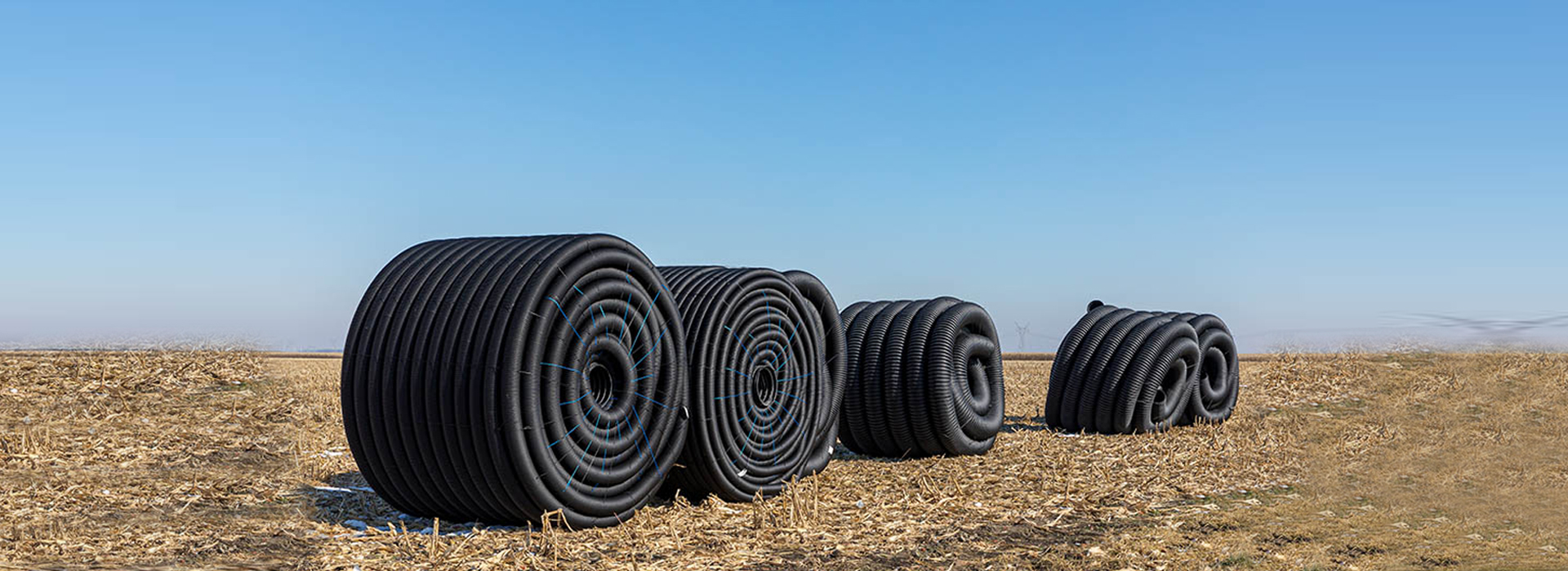
Corrugated Pipe Manufacturing in Canada is quite essential. Storm drains move rain away from roads. Culverts protect driveways. Farms rely on drainage lines to keep fields healthy. Most people never think about these pipes. Yet behind each one sits a careful process shaped by rules, machines, and real-world needs.
For companies like All Pipe Solutions Inc, the focus stays simple. Pipes must last. They must fit local conditions. They must meet Canadian standards without fuss. This guide walks through how that happens, using plain language and real examples.
Canada presents tough challenges for pipe makers. Winters freeze deep. Summers bring heavy rain in many regions. Soil types change fast from clay to sand. Because of that, Corrugated Pipe Manufacturing in Canada must balance strength and flexibility.
Corrugated pipes bend slightly without breaking. That feature matters during freeze and thaw cycles. A rigid pipe may crack. A corrugated pipe often survives.
For example, a rural road in Ontario once flooded each spring. Solid pipes failed twice. After switching to corrugated drainage pipe, the road stayed dry for years. The pipe flexed as the ground moved. That small change saved repair costs and stress.
Most corrugated pipes in Canada use plastic resins. High density polyethylene remains common. It resists moisture and handles cold well. Before production begins, raw pellets arrive clean and dry.
Material prep follows a few clear steps:
Each step seems simple. However, small errors cause big problems later. Too much moisture creates weak spots. Wrong additives affect flexibility. Good manufacturers take time here.
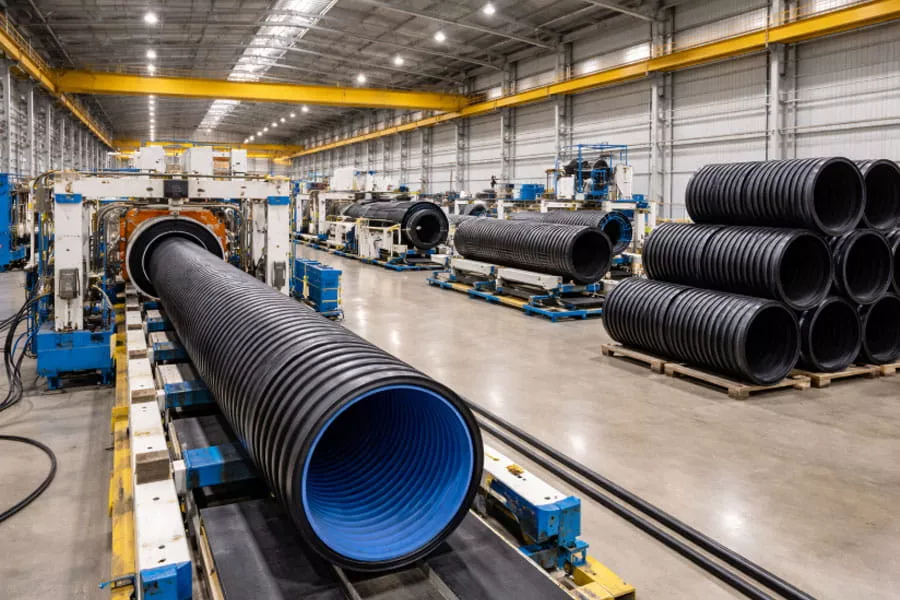
The heart of Corrugated Pipe Manufacturing in Canada sits in the corrugation line. This stage shapes smooth plastic into the ridged pipe.
First, melted plastic moves through an extruder. The extruder pushes material forward at steady pressure. Next, the warm tube enters corrugator molds. These molds close around the pipe. They form familiar ridges.
Cooling follows right after. Water sprays or baths help the pipe hold shape. Once cooled, the pipe keeps its strength.
This stage moves fast. Still, skilled operators watch closely. If temperature drifts, ridge depth changes. That affects load strength. A trained eye catches problems early.
Good equipment makes consistent pipes. In Canada, many plants rely on automated lines. These systems reduce waste and keep quality steady.
Key equipment often includes the following:
Each machine plays a role. For instance, cutting stations must stay sharp. A dull cut leaves rough edges. Those edges slow installation on site.
Experienced operators often share one insight. Clean machines last longer. Regular maintenance prevents downtime during busy seasons.
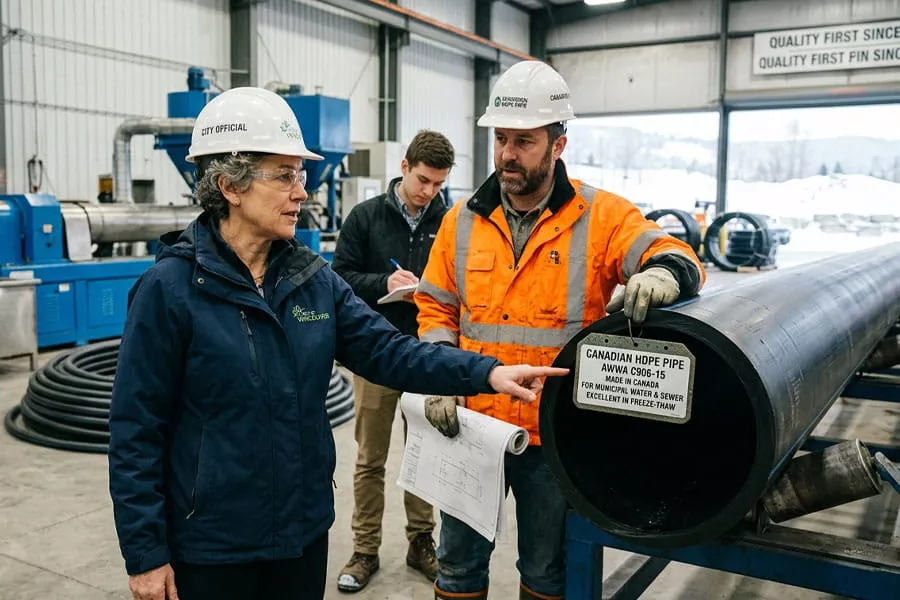
Standards protect buyers and builders. In Canada, pipe production follows clear rules. These rules ensure safety and performance.
Manufacturers test pipes for strength, flexibility, and durability. Load ratings matter for road crossings. Chemical resistance matters for drainage near industry.
Quality control teams check samples during each run. Failed tests stop production until issues get fixed. This approach saves trouble later.
Contractors often prefer suppliers who follow these standards strictly. It reduces surprises during inspection. That trust matters more than price alone.
Quality control does not sit at the end only. It stays active throughout production. Each stage brings checks and records.
During extrusion, wall thickness gets measured. During corrugation, ridge depth gets verified. After cooling, visual checks catch flaws.
Occasionally, pipes get tested to failure. While that sounds harsh, it builds confidence. Knowing limits helps design better systems.
A plant supervisor once noted a simple truth. Finding flaws early costs less than fixing failures in the field. That mindset shapes reliable production.
All Pipe Solutions Inc focuses on practical results. The company understands Canadian conditions well. Therefore, production choices reflect real site needs.
The team emphasizes material quality first. Equipment stays modern and well maintained. Staff training remains ongoing.
Rather than chasing trends, the company sticks to proven methods. That approach suits municipalities and contractors alike. Pipes arrive ready to install. Performance stays predictable.
Customers often value clear communication. Knowing lead times and specs reduces stress. That reliability builds long term partnerships.
Corrugated pipes serve many uses. Urban drainage remains common. Rural land improvement also depends on them.
Typical applications include the following:
Each use demands slightly different specs. A farm field pipe differs from a highway culvert. Manufacturers adjust design accordingly.
Because Canada spans wide climates, regional knowledge matters. What works in British Columbia may differ from northern Alberta needs.
Choosing the right pipe supplier affects long-term performance. Corrugated Pipe Manufacturing in Canada works best when experience guides each step. All Pipe Solutions Inc delivers pipes shaped by standards, tested processes, and local knowledge.
For projects that demand reliability without complexity, this approach fits well. Reach out to learn how the right corrugated pipe solution can support the next build with confidence and clarity.
Request a Quote (519) 871-0751